The programs featured here share a common structure: student autonomy in problem selection, expert mentorship, university partnership, and an open-source approach to outcomes. Each represents a distinct engineering discipline and problem domain — yet all demonstrate that locally-built technology, developed by students who understand their community's context, can address the most pressing development challenges.
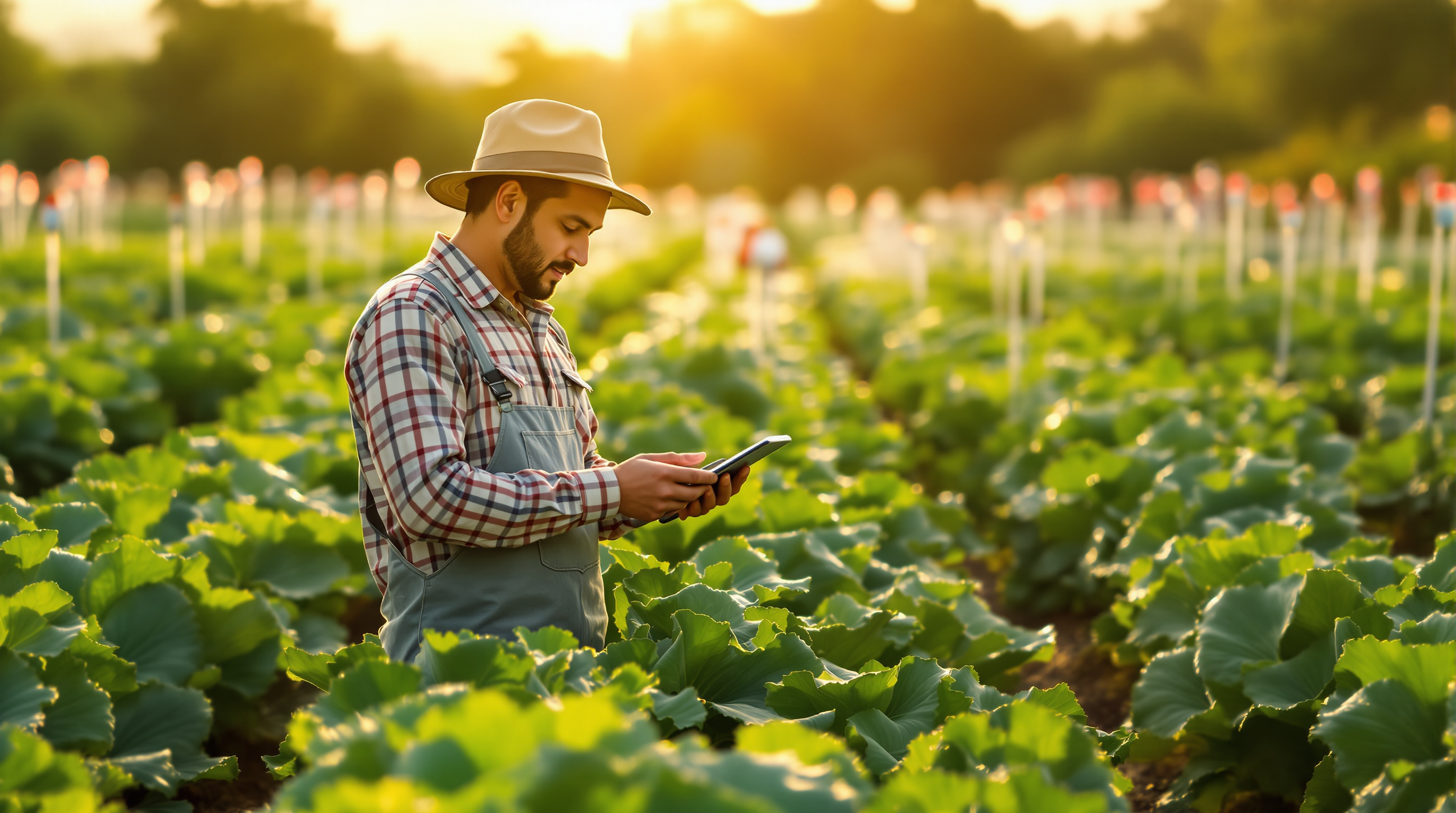
Smart Irrigation with IoT
Four engineering students built an open-source automatic drip irrigation system using Zigbee wireless sensors, MQTT-SN protocol, and gradient boosted tree machine learning to eliminate water waste in rural farming.
Full case study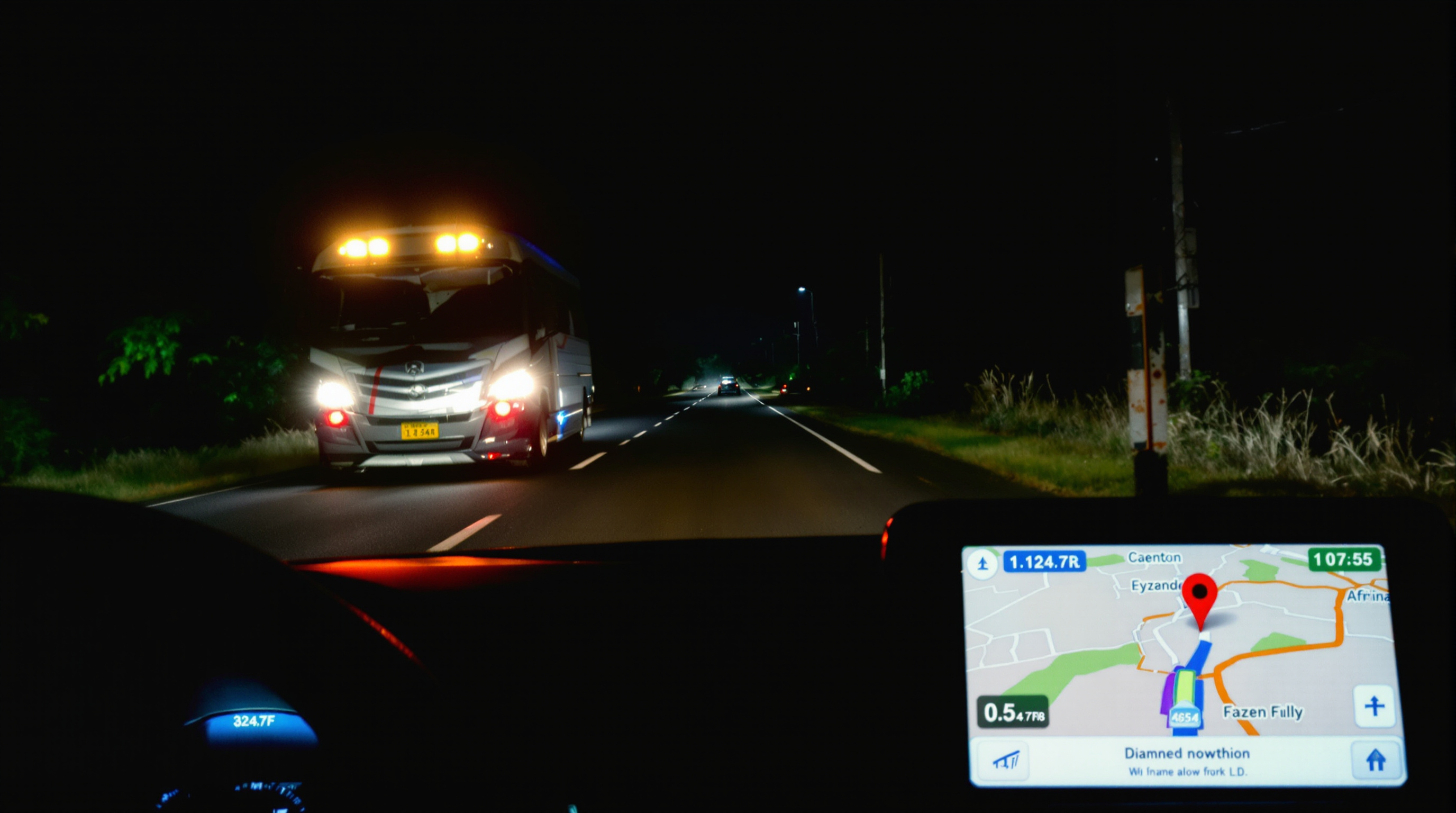
GPS Alert System for Disabled Vehicles
10 students built a GPS/GSM system that detects disabled roadside vehicles and alerts nearby drivers — addressing a leading cause of Ghana's 2,000+ annual traffic fatalities.
Full case study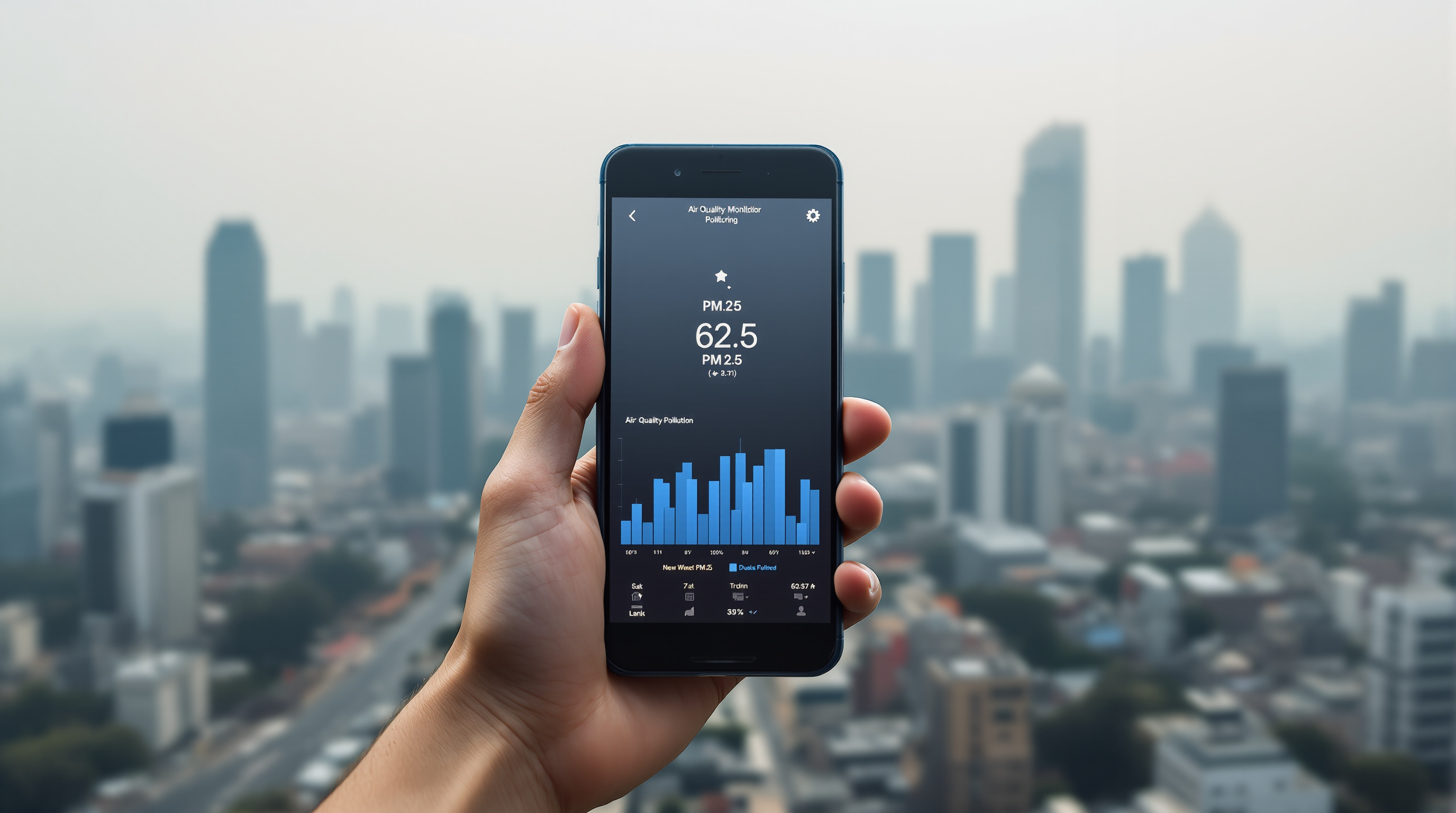
AI Air Quality Forecasting
8 students built two complementary systems: an LSTM neural network for 24-hour pollution forecasting and a smartphone camera app that estimates PM2.5 levels from sky photos.
Full case study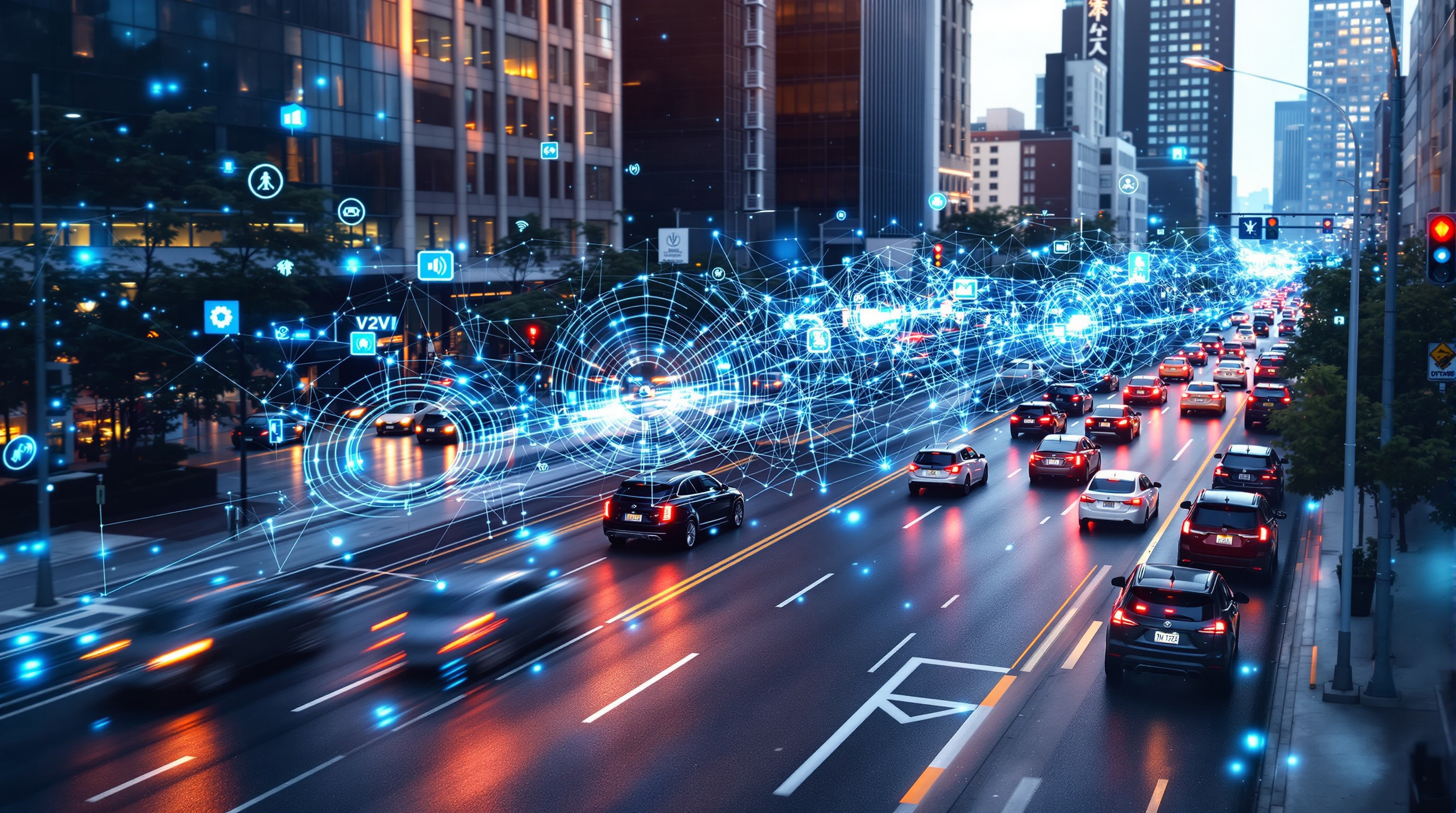
Vehicle-to-Vehicle Communication
36 students across 8 universities built a 30-40ms latency V2V warning system using Xbee radios and computer vision — now under consideration for 5G pilot deployment.
Full case study
Parliamentary Engagement App
Students built a mobile app and dashboard allowing citizens to track parliamentary debates, review draft bills, and submit comments — making democracy more accessible.
Full case study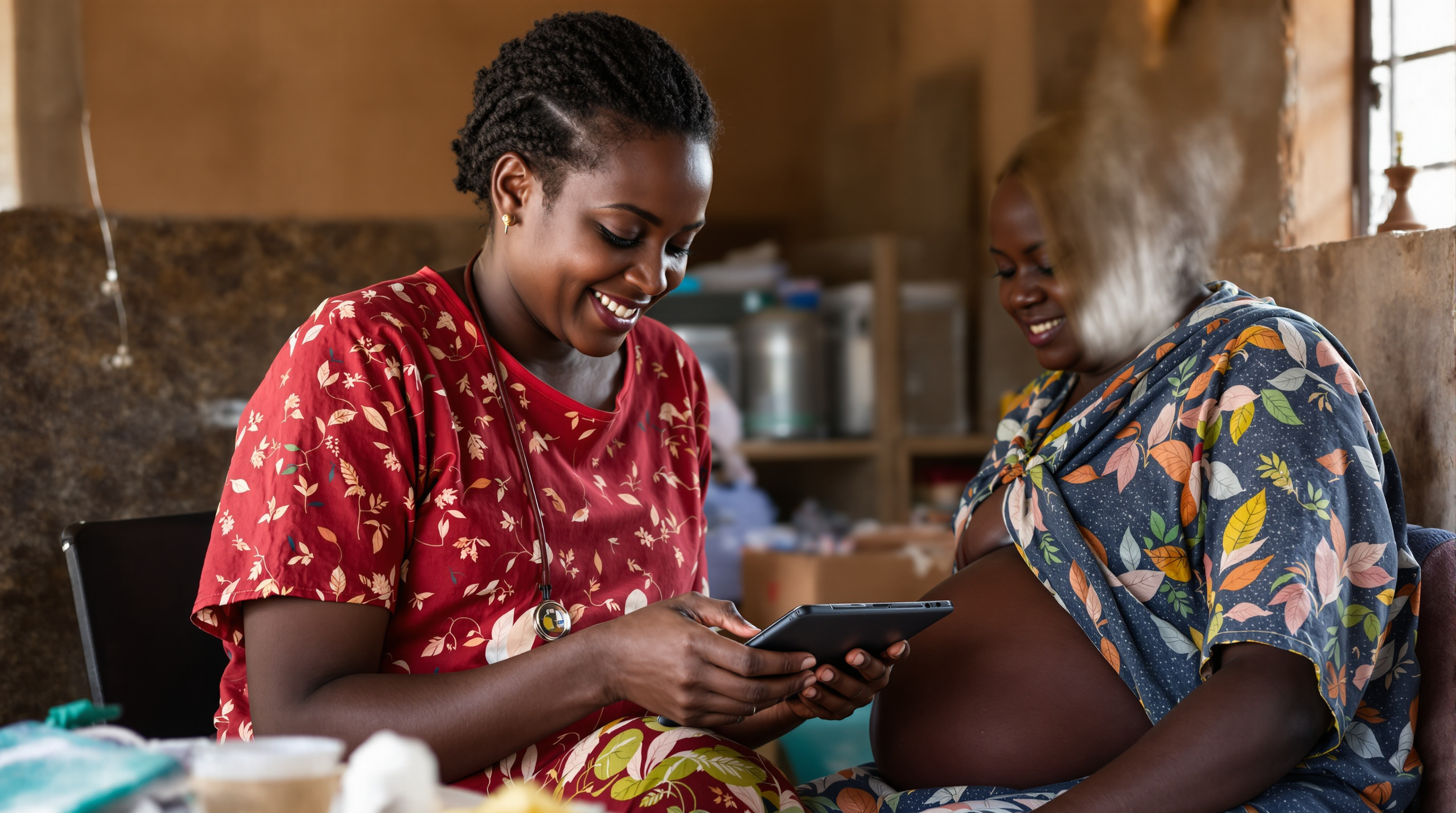
Maternal Health Monitoring App
Three student teams built an integrated mobile health platform — patient app, clinical dashboard, and scheduling system — to track hypertension risk in pregnant women.
Full case studyProgram Impact at a Glance
According to the United Nations Sustainable Development Goals, technology and innovation are central to achieving equitable development outcomes by 2030. The programs documented here directly advance SDG 3 (Good Health), SDG 11 (Sustainable Cities), SDG 13 (Climate Action), and SDG 16 (Peace and Justice).