Discover how engineering students in developing countries are using IoT, AI, and mobile technology to solve real problems — from crop irrigation to maternal mortality, from road safety to civic participation.

About This Resource
Tech for Good Hub documents and analyzes engineering projects that address real development challenges across Africa, Latin America, and Asia. We believe local students with the right tools and mentorship can build solutions that transform their communities.
From IoT sensors managing scarce water resources to AI models predicting dangerous air pollution, the projects we cover prove that the next wave of impactful technology will emerge from the communities that need it most.
How Programs Work →
Student engineering teams across five countries building technology solutions to their communities' most urgent challenges.
Engineering students built an open-source IoT system using Zigbee sensors and machine learning to reduce water waste in small-scale agriculture.
Read case study
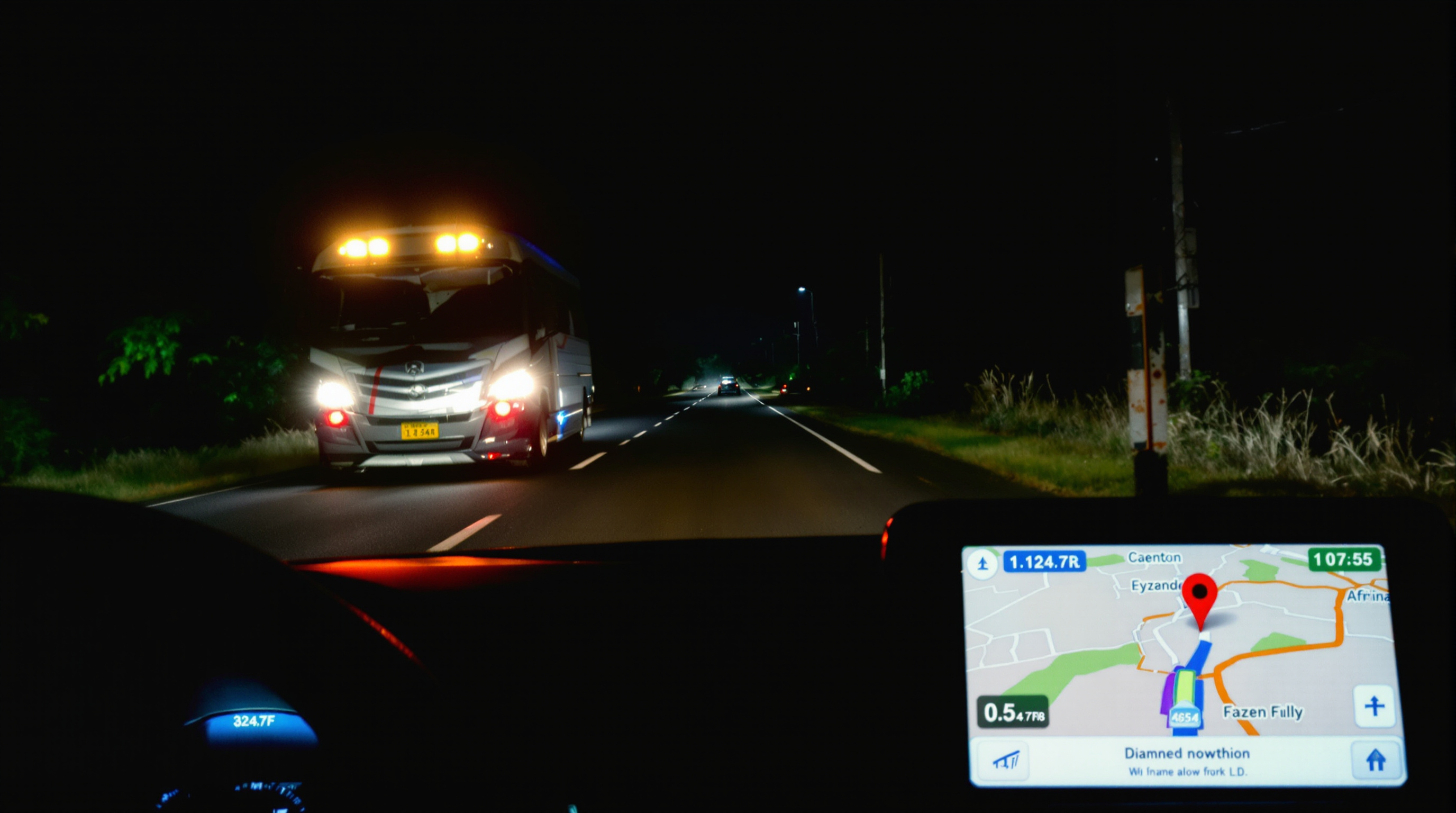
A GPS and GSM-based system alerts drivers to disabled vehicles on the roadside — addressing one of the leading causes of fatal accidents on Ghanaian roads.
Read case study
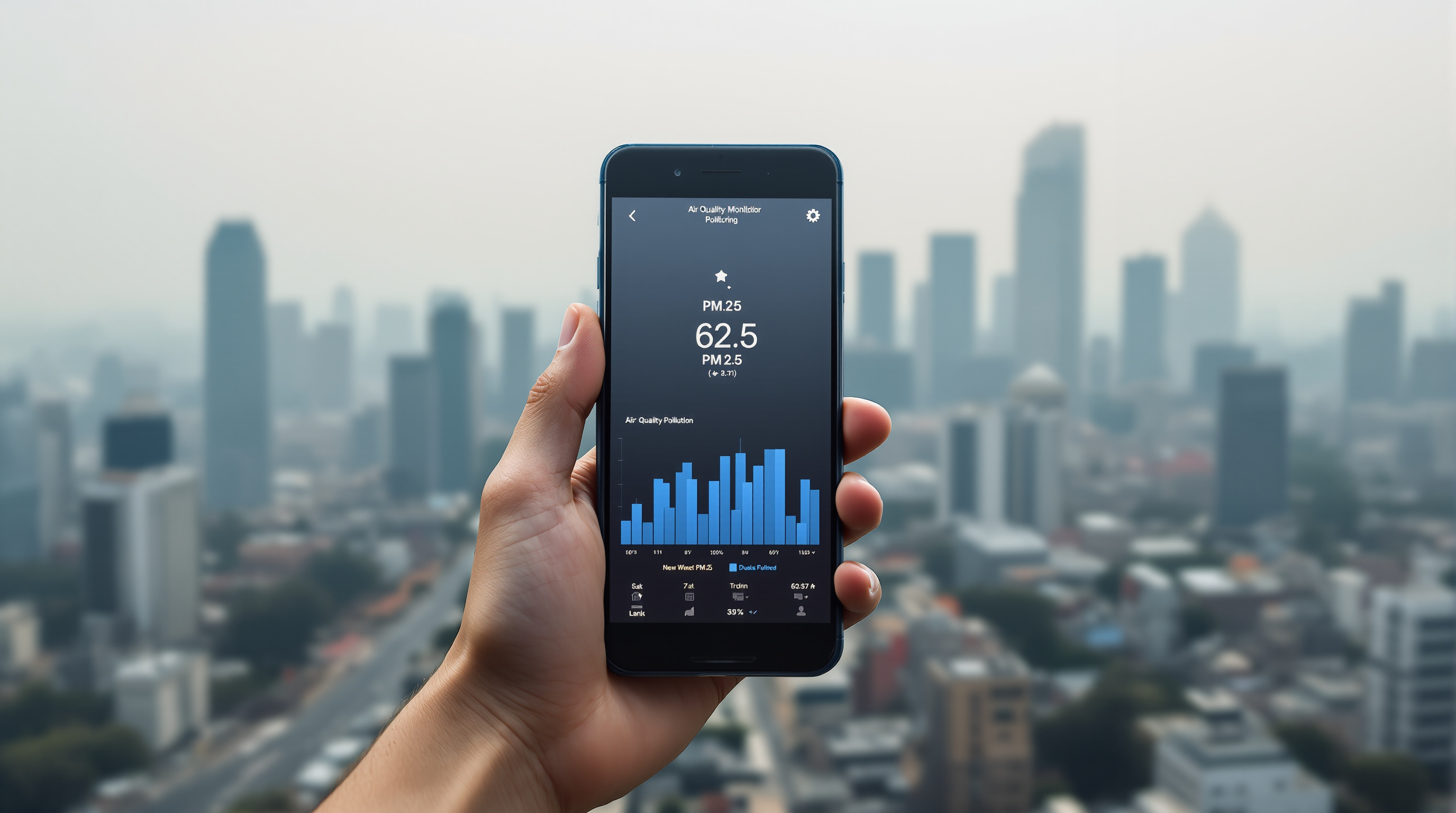
Two student teams built AI-powered tools for Delhi residents: a 24-hour pollution forecast system and a smartphone camera-based PM2.5 detector.
Read case study
Students built a low-latency V2V communication system using off-the-shelf radio hardware to prevent chain-reaction traffic collisions.
Read case study
A mobile app connects Rwandan citizens to Parliament in real time, allowing anyone to follow legislative debates and comment on draft bills.
Read case study
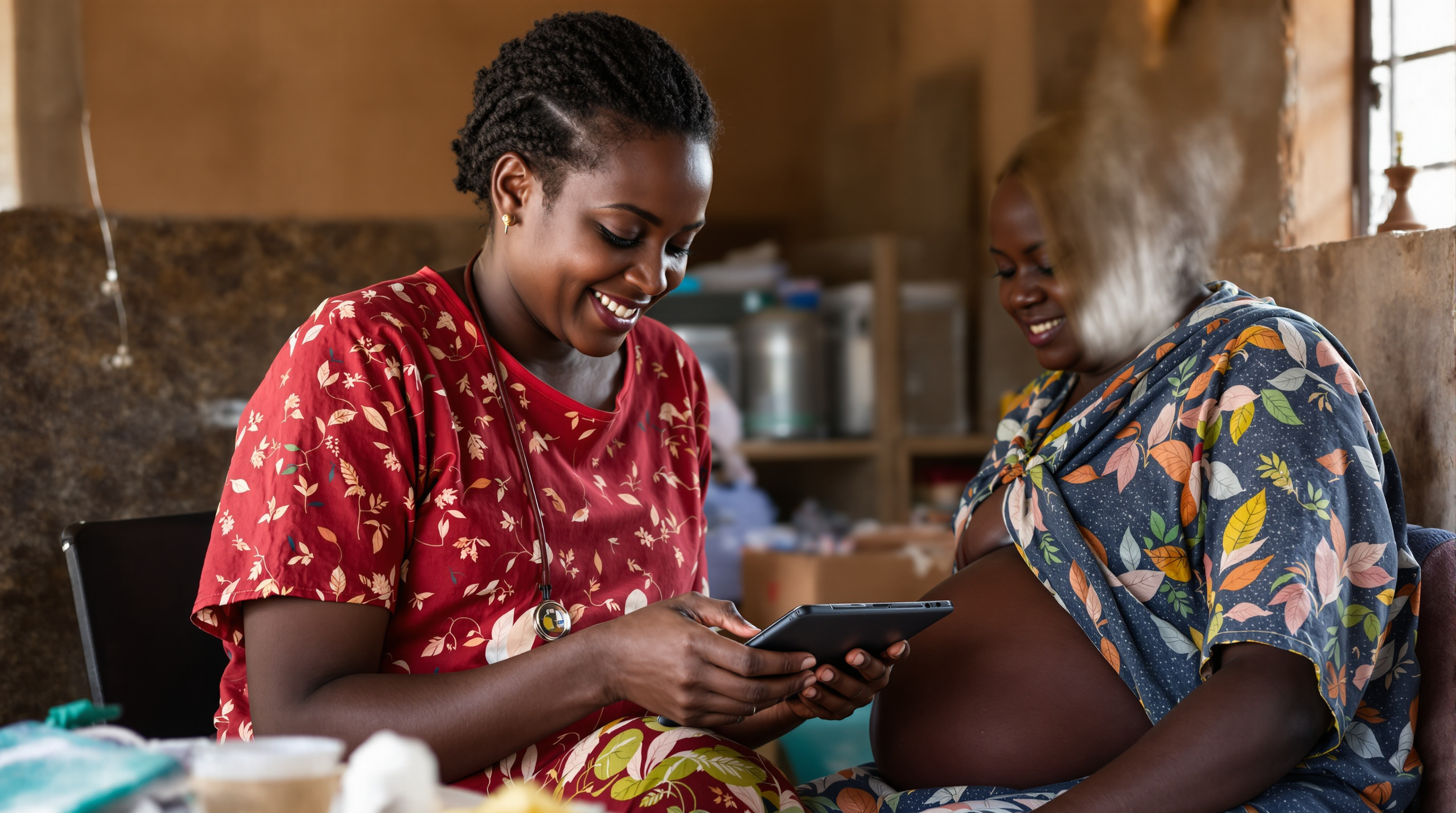
A mobile health app tracks hypertension risk in pregnant women in areas with limited healthcare infrastructure, helping prevent maternal mortality.
Read case studyThe programs we cover draw on a common set of engineering disciplines. Explore our in-depth guides to the technologies that make tech-for-good possible.
Everything you need to start a student engineering program at your university — from community assessment to sustainable deployment.
Read the Guide